Understanding Modern Wood Flooring Solutions
Choosing the right flooring is one of the most significant decisions that UK homeowners face. With various options available, two of the most popular choices are laminate and engineered wood flooring. Each type offers unique benefits and drawbacks, making it essential for buyers to thoroughly understand their differences before making a decision. When exploring options, modern wood flooring solutions can provide comprehensive insights to aid in your selection process. This guide will help you navigate the complexities of laminate versus engineered wood, ensuring you choose the best flooring option for your home.
What are Laminate and Engineered Wood Flooring?
Laminate and engineered wood flooring are both designed to mimic the appearance of natural wood, yet they are constructed differently. Laminate flooring is composed of multiple layers of synthetic materials, primarily high-density fiberboard, topped with a printed wood grain layer and a protective overlay. This makes it highly resistant to wear and tear, providing a practical and budget-friendly flooring solution.
Engineered wood flooring, on the other hand, consists of a thin layer of real hardwood veneer fused onto a core of plywood or high-grade composite timber. This construction method gives engineered wood the authentic look and feel of natural timber while adding stability and making it less susceptible to warping compared to solid hardwood. Understanding these differences is crucial for making an informed choice that aligns with your preferences and needs.
Key Features of Modern Wood Flooring Solutions
When evaluating laminate and engineered wood flooring, several key features should be taken into account, including durability, maintenance, environmental impact, and aesthetic appeal.
- Durability: Laminate flooring is designed to withstand heavy foot traffic, scratches, and stains, making it an excellent option for busy households. Engineered wood is also durable, but its longevity may depend on the thickness of the hardwood layer.
- Maintenance: Laminate flooring requires minimal maintenance, typically just regular sweeping and occasional damp mopping. Engineered wood needs a little more care, including periodic refinishing to maintain its appearance.
- Environmental Impact: Engineered wood is often more sustainable, as it utilizes less hardwood and can be sourced from responsibly managed forests, while laminate may contain synthetic substances that may not be environmentally friendly.
- Aesthetic Appeal: Engineered wood offers the warmth and beauty of real wood, complete with unique grain patterns, whereas laminate provides a more uniform look but allows for more diverse designs and colors.
Comparing Durability and Maintenance Needs
When it comes to durability, laminate flooring generally outperforms engineered wood, particularly in high-traffic areas. Its dense fiberboard core provides excellent resistance to impact and scratches, which is ideal for homes with pets or children. Meanwhile, engineered wood, while durable, can be more susceptible to water damage if not properly maintained. Regular cleaning and prompt attention to spills will help preserve both flooring options throughout their lifespan.
Maintenance requirements will differ significantly between the two materials. Laminate simply requires dry mopping and the occasional damp mop for cleaning, making it perfect for busy lifestyles. Engineered wood, on the other hand, may require refinishing every few years to keep it looking its best, which can be more complex and costlier in the long run.
Choosing the Right Flooring for Your Home
Budgeting for Laminate vs Engineered Wood
Your budget will play a crucial role in deciding between laminate and engineered wood. Laminate flooring is generally more affordable, making it a popular choice for homeowners looking for cost-effective solutions. Conversely, engineered wood comes at a higher price point, reflecting its premium materials and construction. However, it can be viewed as a long-term investment due to its durability and aesthetic appeal, which may increase your property’s market value.
Design Preferences: Style and Aesthetic Appeal
Design preferences are another critical factor in your flooring decision. If you are after a rich, authentic wood appearance, engineered wood flooring is likely the better option. It offers more texture variations and can be sanded and refinished multiple times, allowing for greater customization over the years. Laminate, while versatile and available in an array of styles, may lack the authentic character of real wood, making it a less desirable choice for those who prioritize natural beauty and elegance.
Understanding Your Lifestyle Needs
Your lifestyle will significantly influence your flooring choice. If you lead a busy lifestyle, laminate may be a more suitable option due to its ease of cleaning and resistance to wear and tear. However, if you are in a situation where aesthetics and long-term flooring viability are paramount, engineered wood may justify the higher price with its beauty and authenticity.
Installation Insights
DIY Installation vs Professional Help
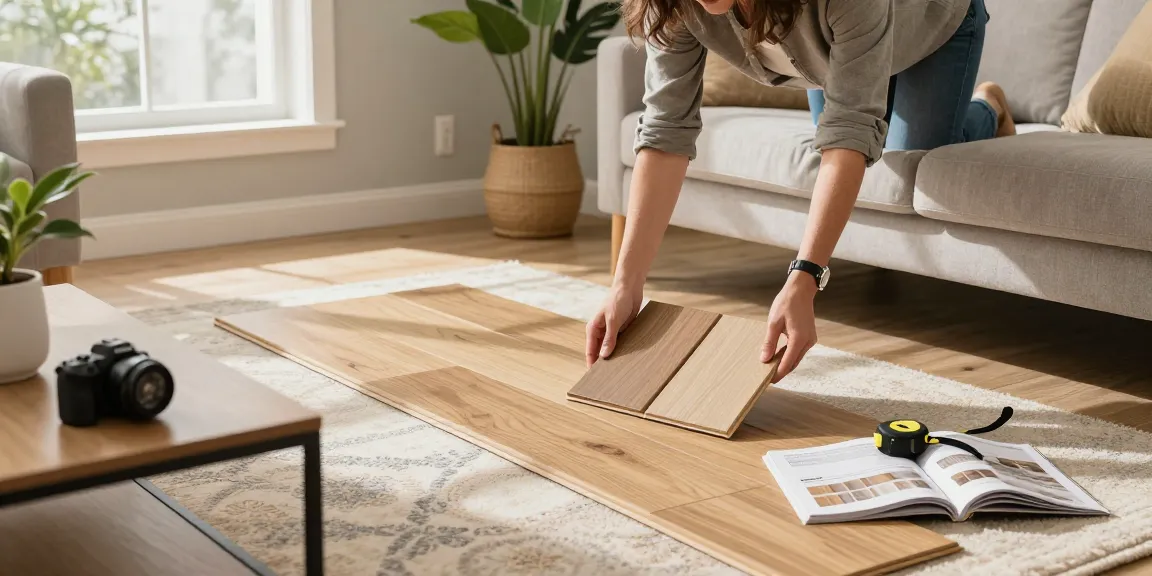
Both laminate and engineered wood offer relatively straightforward installation options that can be tackled by DIY enthusiasts. Laminate flooring usually features click-lock systems, making it easier to install without glue or nails. Engineered wood may require glue or nails, making professional installation a more prudent choice for some homeowners. If you choose to go the DIY route with engineered wood, ensure you follow the manufacturer’s guidelines carefully to avoid issues with expansion and contraction.
Tools Required for a Successful Installation
Whether you opt for laminate or engineered wood, having the right tools is essential for a successful installation. Common tools needed include a miter saw, measuring tape, straightedge, tapping block, and a hammer. For engineered wood, you may also need a nail gun or adhesive, depending on the installation method. Invest time in proper planning and preparation to ensure a smooth installation process.
Common Installation Mistakes to Avoid
Inadequate preparation is a common mistake made during flooring installation. Ensure the subfloor is clean, dry, and level before laying down your new flooring. Failing to account for expansion gaps around the room’s perimeter can also lead to issues later. Take the time to read through the manufacturer’s instructions thoroughly and follow best practices for installation to avoid costly mistakes.
Room-Specific Flooring Considerations
Best Options for High-Moisture Areas
Bathrooms and kitchens are high-moisture areas that require careful flooring selection. Although laminate is generally more resistant to spills, engineered wood can also be utilized in these areas if it is properly sealed and maintained. Consider water-resistant variants of both flooring types if you plan to install them in moisture-prone environments.
Choosing Flooring for High-Traffic Zones
In high-traffic areas, laminate flooring is typically the top choice due to its excellent durability and scratch resistance. Engineered wood can also work well, particularly in living rooms or spaces where you want to create a warm, inviting atmosphere, but be prepared for more maintenance in these heavily used areas.
Design Tips for Small Spaces with Wood Flooring
When designing small spaces, light-colored wood flooring can create an illusion of more space. Additionally, using wider planks can help open up the room and make it feel more expansive. Incorporate rugs strategically to delineate areas within open spaces while maintaining a cohesive aesthetic throughout your home.
Future Trends in Flooring Solutions
Emerging Styles and Materials in 2026
As we look forward to 2026, the flooring industry is seeing an increase in demand for sustainable and eco-friendly options. Homeowners are increasingly opting for engineered wood sourced from renewable forests and utilizing reclaimed materials. Style-wise, wide planks and organic textures are gaining popularity, reflecting a shift towards more natural aesthetics in home design.
Technology Impacting Flooring Innovations
Technological advancements are influencing flooring production, with innovations like enhanced water-resistant coatings and improved installation methods becoming more common. Manufacturers are utilizing digital printing techniques to create more realistic wood patterns in laminate flooring, further blurring the line between real wood and synthetic alternatives.
Sustainable Practices in Wood Flooring Production
As sustainability becomes a priority for many consumers, the flooring industry is adapting to meet this demand. From responsible sourcing of timber to manufacturing processes that minimize waste, companies are increasingly adopting green practices. Choosing flooring that meets these environmental standards can not only benefit the planet but can also contribute to healthier indoor air quality within your home.
What are the benefits of laminate flooring?
Laminate flooring offers several advantages, including affordability, ease of maintenance, and a variety of styles. It is also highly resistant to scratches and stains, making it suitable for families with children and pets.
How to maintain engineered wood flooring?
To maintain engineered wood flooring, keep it clean by regularly sweeping or vacuuming to remove debris, and use a damp mop with a manufacturer-recommended cleaner. Avoid excessive water exposure to prevent damage, and consider refinishing as needed to restore its original luster.
Which flooring is better for pets?
Laminate flooring often edges out engineered wood in pet-friendly homes due to its higher resistance to scratches and stains. However, if you prefer the look of wood and take care in maintaining it, engineered wood can also be a good choice.
Can laminate flooring be installed in kitchens?
Yes, laminate flooring can be installed in kitchens. It’s resistant to spills and easy to clean, making it suitable for this high-traffic, high-moisture area. Just ensure it is correctly installed to prevent water damage.
What are the latest trends in wood flooring?
Current trends in wood flooring include eco-friendly materials, wide planks, and varying textures that emulate natural finishes. Innovations in technology are allowing for more realistic and versatile designs across both laminate and engineered wood options.